
Importance of Sports and Extracurricular Activities in Schools
Home / School / Importance of Sports and Extracurricular Activities in Schools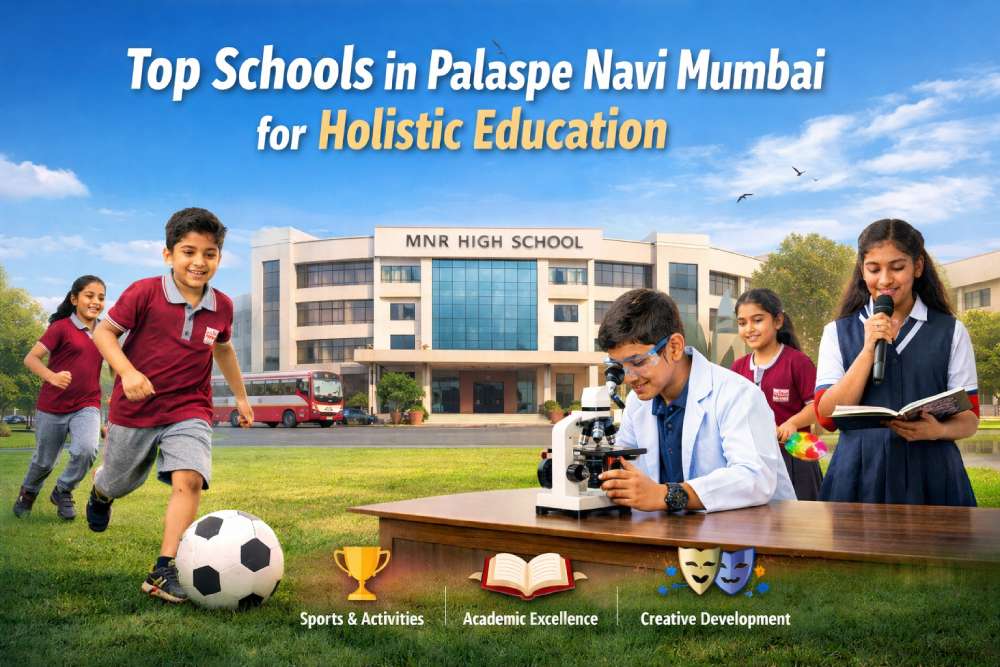
A school day does not end when the last bell rings. In many ways, it begins there. Across playgrounds, music rooms, and open corridors, children discover parts of themselves that textbooks alone cannot reveal. Recent education reports suggest that students who actively participate in sports or extracurricular activities show nearly 20–30 percent better focus and emotional balance compared to those who remain limited to classroom learning. This shift is being noticed across India, especially among parents exploring the top schools in Palaspe, Navi Mumbai, where learning is slowly becoming a blend of academics, movement, creativity, and real-life experiences.
There is a visible change in what families expect from schools today. Marks still matter, but so does confidence. Physical health is important, but so is teamwork. A child who plays, performs, builds, and participates grows differently. Institutions such as MNR International School, Palaspe, reflect this evolving approach by giving equal space to both academic learning and activity-based development, something often discussed among the best schools in Palaspe.
Why Do Sports Activities Matter So Much in School Life?
Step into any school playground in the late afternoon. A group of students is running across the field, some laughing, some focused, some learning how to pass a ball without hesitation. It may appear like simple play, yet it carries deep learning.
Sports help children in many ways:
- Physical strength and fitness
Regular movement improves stamina, posture, and overall health. - Discipline and routine
Practice sessions teach children to follow structure and respect time. - Team spirit
Children learn how to cooperate, adjust, and trust others. - Handling success and failure
A match won brings joy. A loss teaches resilience in a very real way. - Improved concentration
Students who engage in sports often return to class with sharper focus.
Teachers often notice that students who participate in sports tend to be more attentive during lessons. There is a certain balance in their behaviour. This is one reason why many top schools in Palaspe, Navi Mumbai, are strengthening their sports programs.
How Do Extracurricular Activities Shape Personality?
Not every child finds comfort on the playground. Some prefer the stage. Some enjoy painting. Others feel at ease while working on a science model or participating in a debate.
Extracurricular activities provide space for these differences.
They support development in areas such as:
- Creative expression
Music, dance, and art allow children to share ideas in their own way. - Communication skills
Activities like drama and debate help students speak clearly and confidently. - Leadership qualities
Group projects and events encourage children to take responsibility. - Emotional understanding
Performing arts often help children connect with feelings and stories. - Independent thinking
Students learn to make choices and take initiative.
During a recent school event, a shy student who rarely spoke in class confidently hosted a small programme. Teachers often remember such moments. They show how opportunities outside textbooks can transform a child’s personality.
What Skills Do Children Develop Through Regular Participation?
The impact of sports and extracurricular activities extends into everyday life. These experiences quietly build skills that children carry into higher education and future careers.
Some of these include:
- Time management
Balancing studies and activities teaches children how to plan their day. - Problem-solving ability
Whether it is adjusting a game strategy or completing a group project, children learn to think practically. - Confidence in social settings
Interaction with peers builds comfort in group environments. - Goal setting
Training for competitions helps children understand effort and achievement. - Adaptability
Children learn to adjust when situations change.
In classrooms, teachers often observe that students involved in activities approach assignments with greater independence. They ask questions. They explore options. The learning feels active rather than passive.
Many top schools in Palaspe, Navi Mumbai, are now focusing on this kind of skill-building as part of daily education.
How Does MNR International School Create a Balanced Learning Environment?
There is a noticeable difference when learning moves beyond textbooks. At MNR International School, Palaspe, students are encouraged to engage in practical learning experiences that connect classroom concepts with real situations.
A science concept may be explored through a small project. A sports session may turn into a lesson in teamwork. A cultural activity may open space for self-expression.
The school environment supports:
- Hands-on learning through activities and experiments
- Equal importance to academics and co-curricular participation
- Affordable access to quality education without limiting opportunities
- A structured yet flexible approach to student growth
Such an approach gives students a steady foundation. It prepares them not only for examinations but also for real-life situations where thinking, adapting, and interacting matter.
This is why families looking for the top schools in Palaspe, Navi Mumbai, often consider schools that offer both academic strength and activity-based learning.
Why Are Parents Paying More Attention to Holistic Education Today?
There has been a steady change in how education is viewed. Parents today observe their children closely. They notice when a child enjoys school. They notice when learning feels engaging.
Academic success alone does not define growth anymore.
Parents now look for schools where children:
- Stay physically active
- Feel confident in expressing themselves
- Develop social and emotional awareness
- Build skills that extend beyond textbooks
Such expectations are shaping the identity of the top schools in Palaspe, Navi Mumbai, where holistic development is becoming an essential part of education.
Conclusion:
A child remembers a goal scored, a stage performance, a group project completed with friends. These memories stay long after school years pass. They shape confidence, thinking, and identity in quiet ways.
That is why the conversation around education is changing, especially within the top schools in Palaspe, Navi Mumbai. It is no longer limited to marks. It now includes movement, creativity, participation, and the simple joy of learning through experience.
Follow US: Instagram
Frequently Asked Questions
Sports improve physical health, build discipline, and help children develop teamwork and resilience.
They enhance creativity, communication skills, and confidence while encouraging independent thinking.
Yes. Students involved in activities often show better focus, time management, and engagement in studies.
Parents can look for schools that balance academics with sports, arts, and practical learning experiences.
The school offers a balanced environment with hands-on learning, structured activities, and accessible quality education that supports overall student growth.
Related Blogs
From Nursery to Class 10: A Journey of Growth at the Top CBSE School in Sangareddy
Every parent dreams of giving their child the best possible start in life. From the…
CBSE Schools in Kamothe: A Parent’s Practical 2026 Guide to Holistic, Activity-Based Schooling
Every admission season, parents in Kamothe arrive at the same crossroads. They have shortlists. They…
10 Smart Parenting Tips for School-Age Children
A child today grows up in a world that moves quickly. Classrooms are changing, learning…
Why Early Childhood Education Is Important for Brain Development
Child education is a very important topic, and most of the parents are in a…

Getting Excited to Know the JEE Advanced 2026 Result? Explore This Complete Guide!
The JEE Advanced Result 2026 is not just a number on a screen — it…
How to Help Children Develop Critical Thinking and Problem-Solving Skills: A Simple Guide from Top CBSE Schools in Hyderabad
Overview Parents can help children build critical thinking and problem-solving skills in four simple ways….